About the Conference & Host Institution

The conference, the university, and the division behind it.

About the Conference

Applications of Plant Physiology for Crop Improvement, Quality Enhancement & Post-Harvest Management in Horticulture

Ensuring food and nutritional security, enhancing crop productivity, mitigating the impacts of climate change, and reducing post-harvest losses while promoting environmental sustainability all require a deeper understanding of the plant physiological processes that regulate growth, resource-use efficiency, stress tolerance, and quality enhancement. Strengthening the link between fundamental research and its practical application in agriculture is essential.

This National Conference is directed at capturing significant contributions to horticulture across these themes. It aims not only to recognise past contributions but also to lay a roadmap for future fundamental research in plant physiology that translates into practical outcomes for horticulture.

Technical Sessions & Keynote Lectures
Fruits, vegetables, floriculture & plantation crops — tissue culture, day-length & hormonal regulation, hydroponics/aeroponics, and post-harvest technology.
Keynotes & Panel Discussions
Plenary lectures, invited talks and panel discussions by acclaimed scientists from premier institutions across India and abroad.
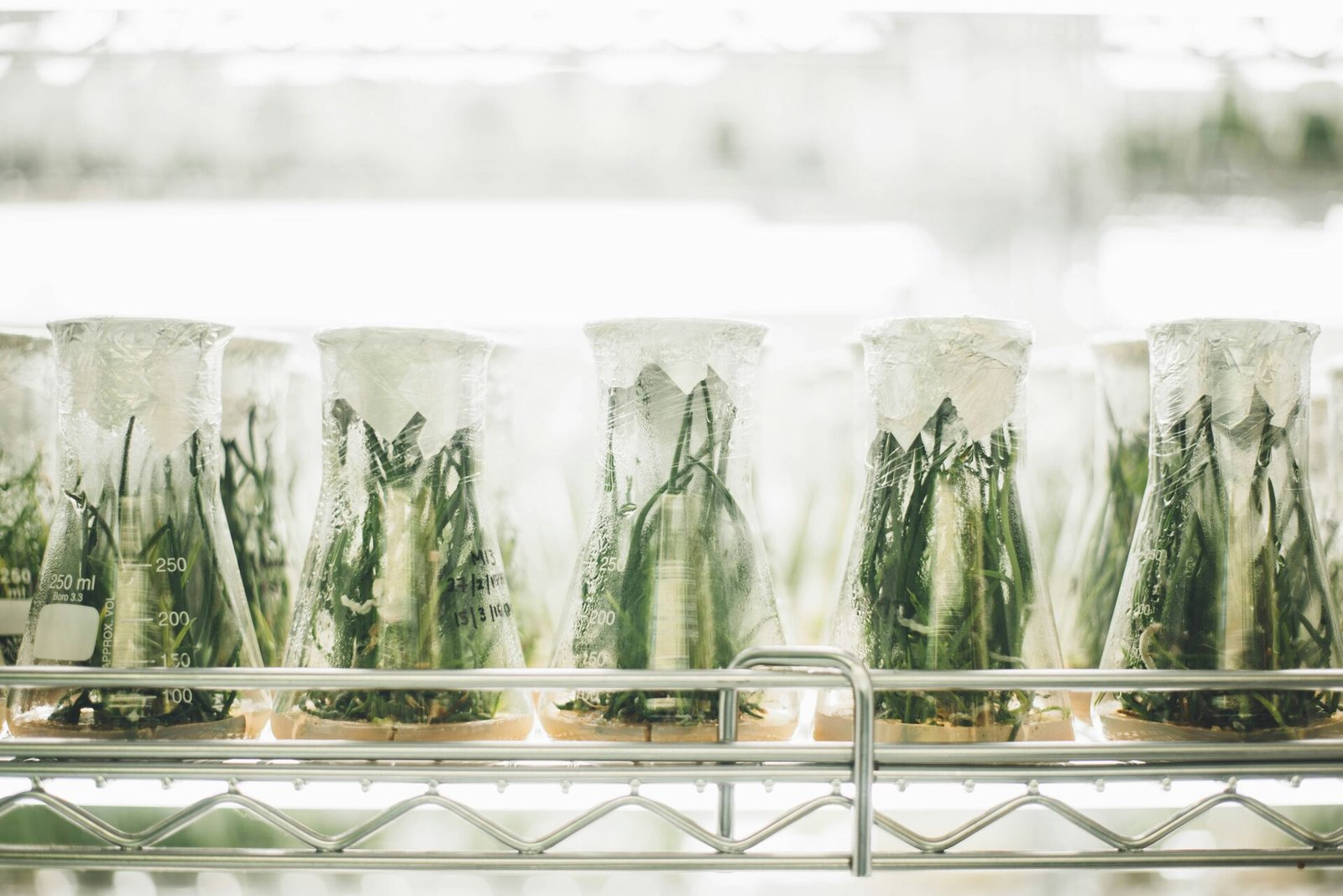
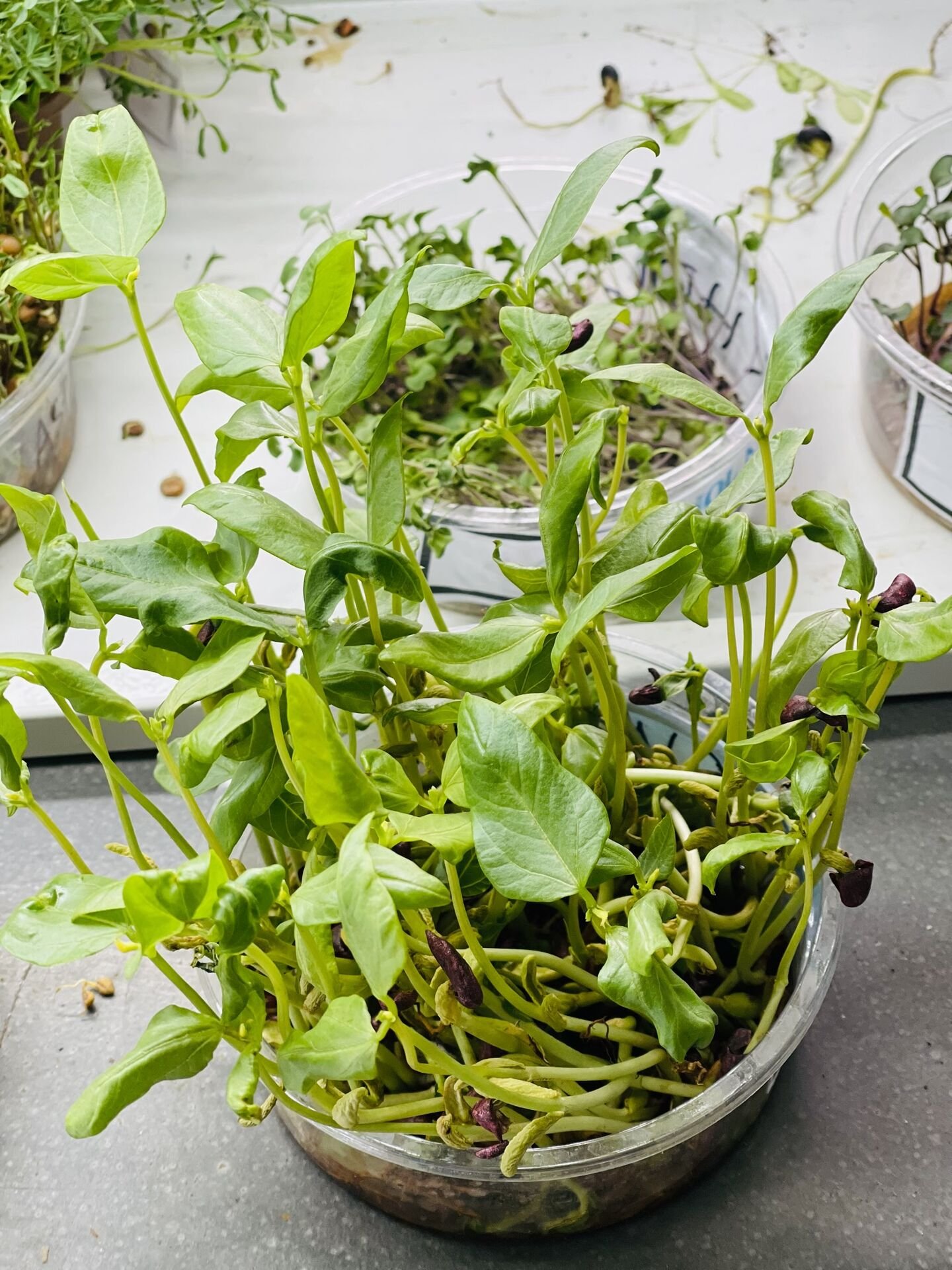
Horticulture research
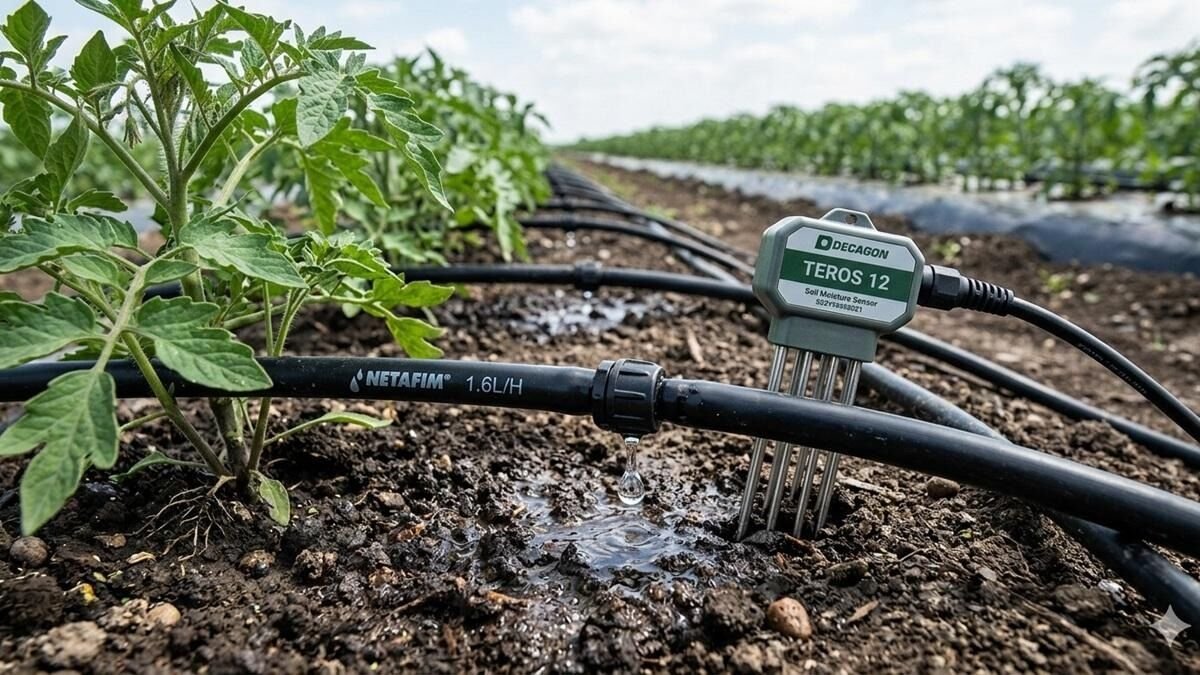
Irrigation research
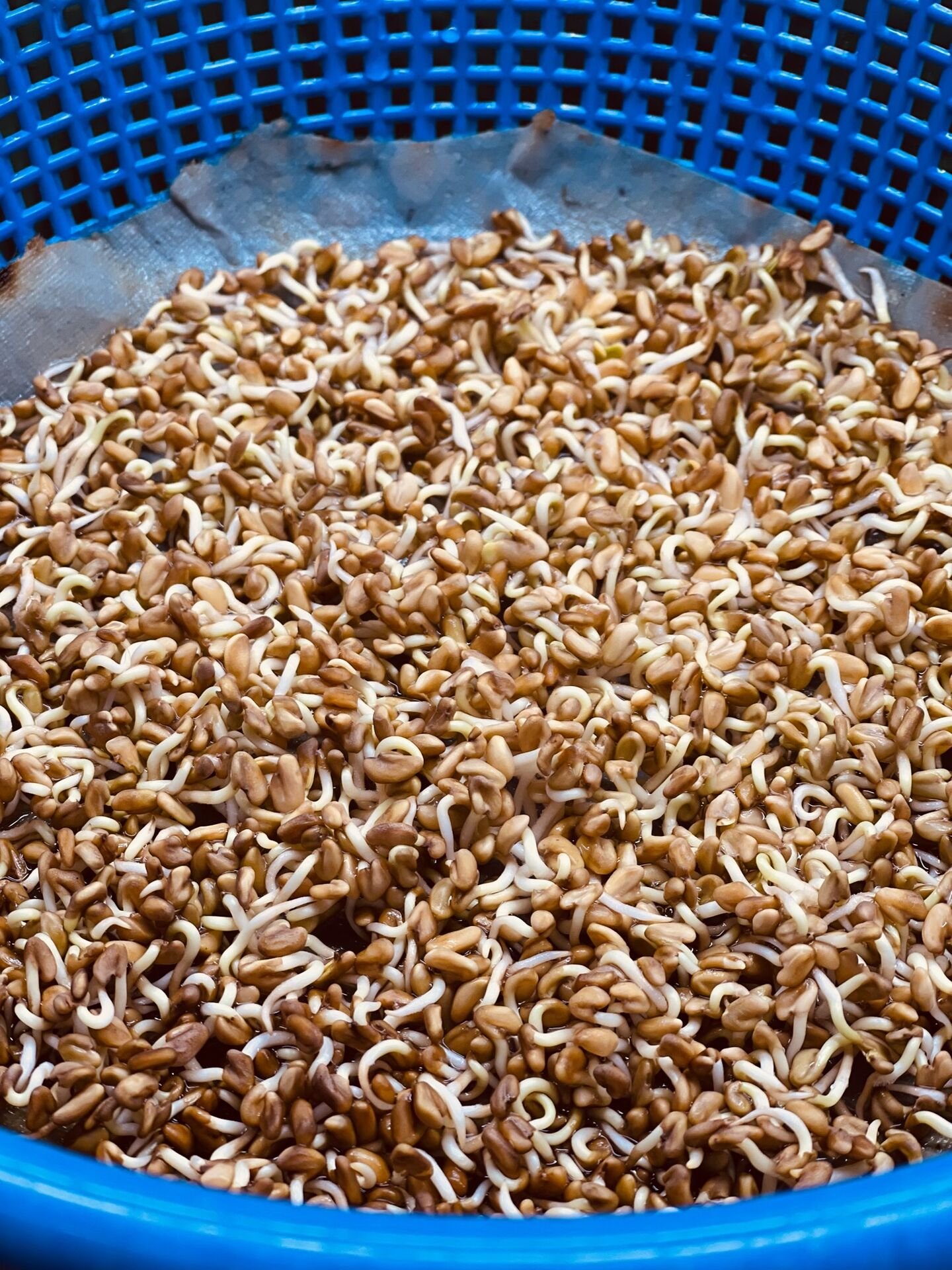
Post-harvest physiology

Conference Themes & Sub-Themes

Theme I

Plant Growth, Development and Physiological Regulation

  • Plant Growth Regulators in Horticultural Crops
  • Hormonal Regulation of Growth, Development and Productivity
  • Photoperiod and Hormonal Applications in Floriculture
  • Plant Physiology in Crop Breeding
  • Physiology for Rapid Breeding and Protected Cultivation
Theme II

Advanced Physiological Tools and Innovative Production Systems

  • Tissue Culture and Micropropagation
  • Aeroponics and Hydroponics
  • Physiological Basis of Protected Cultivation
  • Plant Volatile Organic Compounds in Horticulture
Theme III

Crop Physiology for Productivity, Adaptation and Climate Resilience

  • Bridging Science and Yield in Modern Horticulture
  • Physiological Interventions for Productivity and Quality
  • Physiological Approaches for Fruit Crop Adaptation
  • Climate-resilient Physiology in Plantation Crops
  • Physiology for High-density Planting Systems
Theme IV

Physiology of Crop Quality, Seed Systems and Post-Harvest Management

  • Physiology of Post-harvest Quality
  • Crop Quality from Seed to Storage
  • Seed Physiology and Potato Productivity
  • Physiological Disorders in Fruit Crops
Theme V

Translational Plant Physiology for Sustainable and Smart Horticulture

  • Translational Plant Physiology
  • Physiology for Sustainable Production Systems
  • Smart and Precision Horticulture
  • Climate-smart Horticultural Innovations

Ready to contribute?

See presentation categories, formatting rules and the submission deadline.

Call for Abstracts

Host University

About SKUAST–Kashmir

Sher-e-Kashmir University of Agricultural Sciences and Technology (SKUAST), is a multi-campus university, named after the great patriotic leader Jenab Sheikh Mohammad Abdullah, popularly known as Sher-e-Kashmir. Established in 1982 through an Act of the J&K Assembly, with its headquarters at Shalimar, Srinagar. In 1998–99, the University was renamed Sher-e-Kashmir University of Agricultural Sciences and Technology of Kashmir (SKUAST-Kashmir), with its territorial jurisdiction redefined to cover the Kashmir and Ladakh regions.

Slogan: “SKUAST–Kashmir for Quality Life of People.”

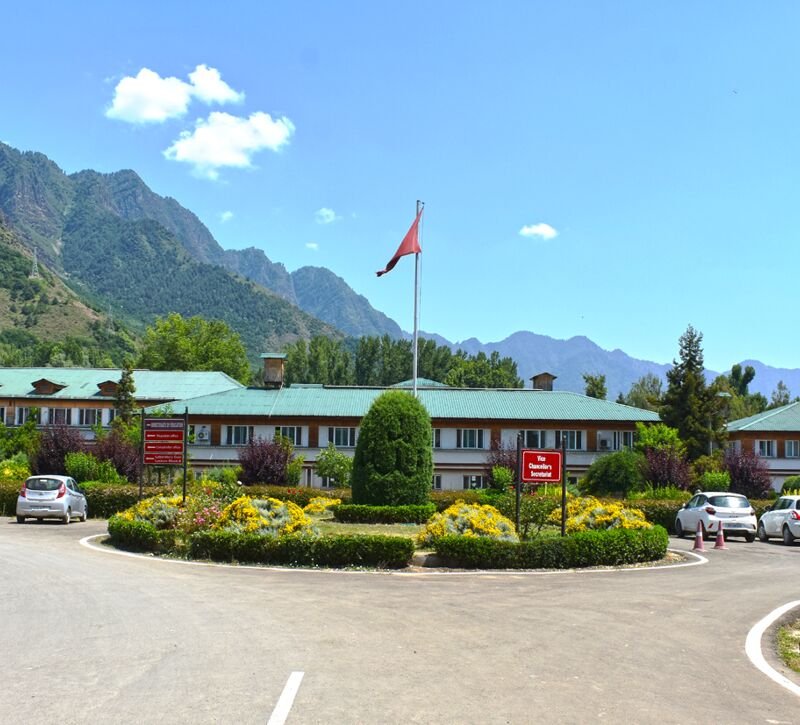
SKUAST-Kashmir campus entrance
SKUAST-Kashmir campus building

SKUAST-K aspires to be the top Innovation-led farm University for a technology-driven Bio-economy of the Viksit J&K.

  • Make SKUAST-K a preferred destination for Agri-education for its creativity, innovation, entrepreneurship, leadership, and social and gender equity.
  • Build the basis for a knowledge-based and technology-driven Agri-economy in the bio-resource-rich regions of Kashmir & Ladakh through excellence in HRD, translational R&D, and an ICT-driven outlook.
  • Train young minds in new frontier areas that drive smart and intelligent farming practices.
  • Inspire and groom students for start-ups and innovation-led entrepreneurship.
  • Inculcate ethical principles and develop an understanding of environmental and social ethos.

To be the first Innovation-led Farm University.

  • Faculty & Staff Competence — our greatest asset, augmented through a positive work environment and scope for growth.
  • Academic Excellence — an engaging, stimulating academic environment with improved accreditation.
  • Social Responsibility — a resource for economic, educational, cultural and community development.
  • Entrepreneurs for the Future — a platform for student start-ups and employment generation.
  • Responsible Leadership — a nursery for tomorrow's agri-business and policy leaders.
  • Quality Life — working with society, industry and government to improve quality of life.
  • Diversity, Equity and Inclusiveness — fostering a diversity-sensitive learning environment.
  • Environment and Ecosystem Sustainability — our philosophy of growth, not a side project.

  • Education — outcome-based education for next-gen global leaders.
  • Research — translational research for a sustainable, technology-driven bio-economy.
  • Extension — farmer-centric outreach for ICT-driven knowledge and technology transfer.
  • Innovation — a vibrant, innovation-driven start-up ecosystem.
Organizing Department

About the Division of Basic Sciences & Humanities

The Division of Basic Sciences and Humanities (BS&H), Faculty of Horticulture, SKUAST-Kashmir, is a centre of foundational and applied research bridging fundamental biological sciences with the practical needs of horticulture and agriculture. Established in 2017, the Division brings together three principal disciplines — Plant Physiology, Biochemistry, and Microbiology — under one academic umbrella.

The Division is home to 12 dedicated faculty members whose research spans plant hormonal regulation and stress physiology, isoprenoid and specialized metabolite biosynthesis, post-harvest and quality biochemistry, microbial biotechnology, and molecular and computational approaches to gene family discovery.

The Division offers Undergraduate (UG), Postgraduate (PG), and Doctoral (Ph.D.) programs, preparing students for careers in research, academia, and the agri-biotechnology industry.

Modern Teaching & Research Labs
Interdisciplinary Research Programs
UG, PG & Ph.D. Offerings
Division laboratory session
Field visit
Division event
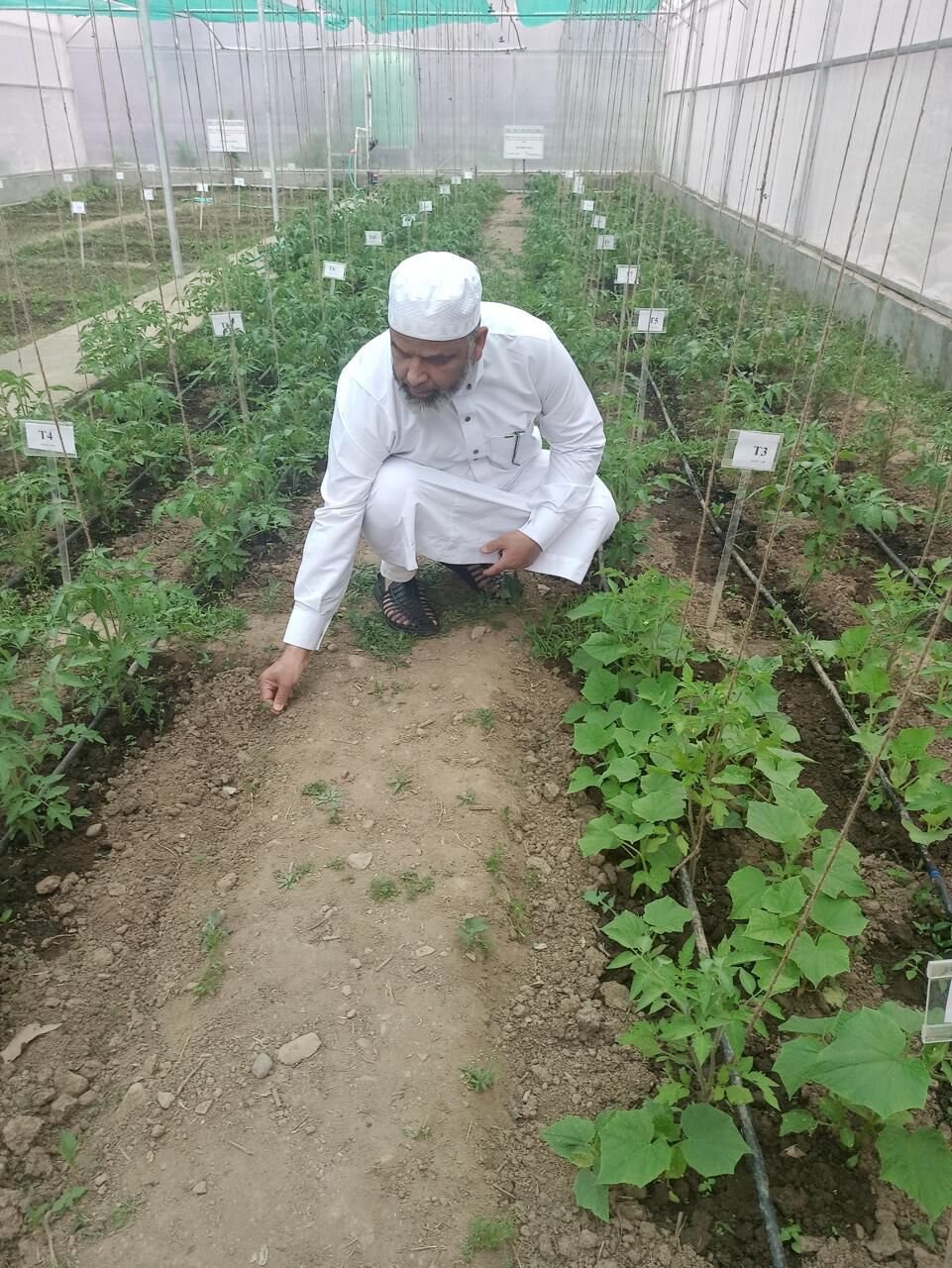
Research plot